.png)



How Economic News Affects Forex Trading?
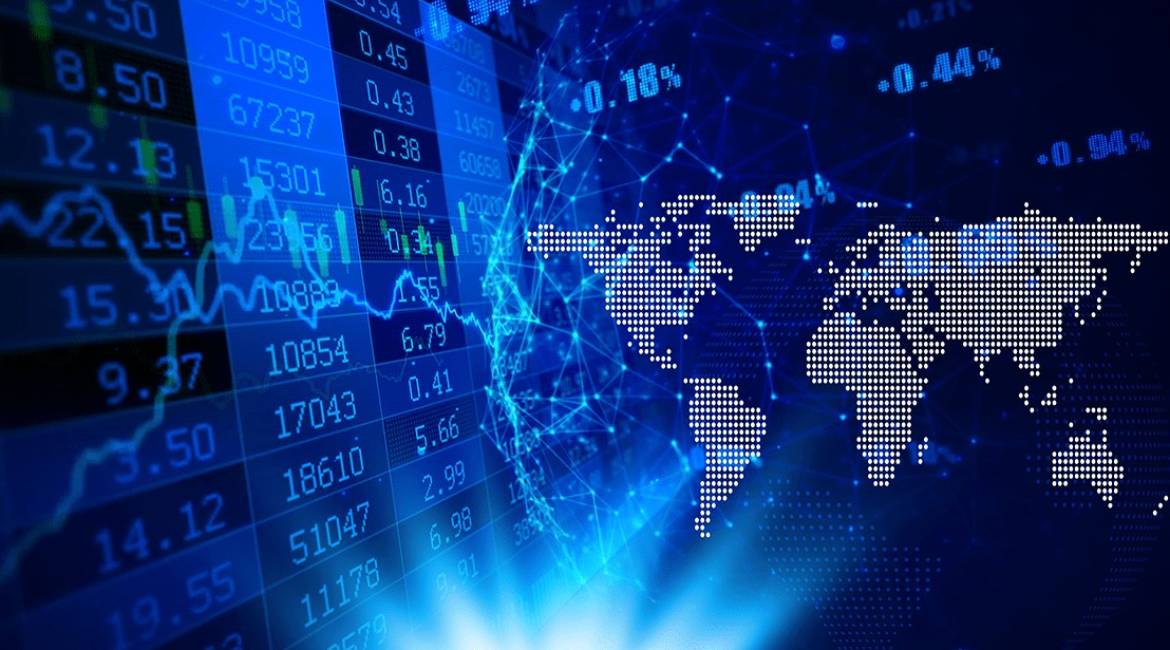
Economic news is one of the factors that influences the exchange in the forex field. The economy-related events are carefully observed by the traders throughout the world since they can cause major market shifts in a matter of seconds. Economic news, such as a central bank announcement, jobs figures, or inflation figures, can influence the currency and mood of the market. This is an important aspect to understand when learning how to trade forex because it will help you gauge the direction that the economic news is taking.
This blog will discuss which economic indicators can affect the forex market, the trader behavior, and how to use these news events effectively.
Understanding the Basics of Forex Trading
Foreign exchange trading, also known as forex, refers to the buying and selling of currencies against one another. Unlike stocks or commodity exchanges, the forex market runs continuously on work days (24/5) and is, therefore, highly responsive to global developments.
Economic news impacts forex prices by changing market expectations about the slack in a country's finances, its monetary policy, and overall economic stability and liquidity. In short, capital flows respond in real-time to economic news events, and the buying and selling of currency pairs react accordingly with dramatic price changes.
Thus, while the forex market welcomes both novice and experienced traders alike, an understanding of the relationship between economic news events and the price actions of forex is probably the most useful knowledge a trader can possess when deciding if they wish to react to economic news events or to simply ignore their influence on price.
Key Economic Indicators That Impact Forex
However, not all economic news can affect forex. The trader should learn to distinguish between high-impact news and low-impact announcements. These are important indicators that weigh heavily on currency markets:
1. Interest Rate Decisions
Interest rates are decided by central banks like the Federal Reserve or the ECB based on economic conditions. A rise in interest rates normally strengthens the currency, as it attracts foreign investment, whereas a lowering of interest rates may weaken the currency. Traders look forward to central bank statements and policy meetings for clues about currency directions.
2. Employment Data
Employment reports such as U.S. non-farm payrolls reflect the strengths of the labor market. Greater employment generally means economic growth, which serves to enhance the valuation of a currency. Weaker job numbers could mean an economic slowdown, which could dampen investor confidence in a particular currency.
3. Inflation Reports
Inflation shows the pace of rising prices for a basket of goods and services. Considering this, high inflation is a scenario for upward movement in interest rates with positive or negative implications on currency, depending on market interpretation. Market participants mostly analyze reports on CPI and PPI to predict forex fluctuations.
4. Gross Domestic Product (GDP)
GDP is a reflection of the country's overall economic output. A strong GDP growth often lends itself to currency appreciation, while a contraction is currency depreciation. Forex traders follow GDP announcements to gauge the long-term economic outlook of a country.
5. Trade Balance Reports
The amount of imports and exports of a country determines its currency strength. A surplus trade balance, which means a country exports more than it imports, tends to support the currency, while a deficit usually leads to depreciation. Trade reports are a huge factor regarding the currencies of countries heavily engaged in international trade.
6. Consumer and Business Sentiment
The Consumer Confidence Index (CCI) and Purchasing Managers Index (PMI) are surveys of confidence or lack of in the economy. Strong confidence is also indicative of further spending and investment in the economy, which will boost the currency, and low confidence may cause the market to take a cautious position.
How News Impacts Forex Market Volatility
Forex will fluctuate due to economic news, which causes volatility in the currency markets. Volatility is the fluctuations in the prices over a specified time interval. Events of high impact may provoke fast movements that may result in opportunities for profitable trades as well as increase risk. Economic calendars are an all too familiar tool employed by traders to help predict events and be ready to respond to possible market fluctuations. An example is when the U.S. markets a better-than-estimated new employment report; the USD will appreciate dramatically in value against other currencies due to the boost in investor confidence.
Market Sentiment and Psychological Impact
Market sentiment is a very potent factor in forex. Economic news can influence the attitude of traders towards the market and more or less change their buy and sell intentions. When traders perceive the news positively, they will be keen on purchasing a currency, while a negative perception would encourage traders to panic sell. The psychology of the market is useful to provide a perspective on market movement, which is solely driven by sentiment and which can be combined with immediate data on economic news. At times, market sentiment is the only cause of some movement, as this sentiment-driven reaction can give rise to short-term price spikes, creating opportunities that are seized by savvy traders.
Strategies for Trading Based on Economic News
Forex trading around economic news calls for a well-thought-out plan and risk management. Here are some of the most successful strategies:
1. News Trading
News trading involves placing trades before or after important news announcements. Traders attempt to profit from an immediate price move. This method requires quick judgment and real-time data.
2. Straddle Strategy
The straddle strategy consists of placing a buy and sell order on a currency pair just before the big economic announcement. The trader hopes to catch the move, whichever direction it goes. After one way becomes big enough to execute, that order is taken, and the other one is canceled.
3. Fade the News
Some traders are positioned against the initial market reaction and expect the market to reverse after all the hype has died down. Doing this means you need a good grip on market psychology and an in-depth understanding of reactions to historical news releases.
4. Long-Term Trend Trading
Economic news can either reinforce or reverse longer-term trends. If you trade longer-term, you are likely using news announcements to confirm existing trends rather than capturing a reaction.
5. Risk Management
Due to the volatility of news events, it is highly advisable to use stop-loss and take-profit orders. Also, be sure to manage your leverage to minimize losses.
Timing and Execution in Forex News Trading
In forex news trading, timing is everything. Economic calendars are used by traders to see what else is on the horizon, such as an interest rate decision, an employment report, or a GDP figure. Executing reliably depends on a high-performance trading platform, the network, and a real-time data feed. Trading platforms such as CapitalXtend give traders the ability to track and respond to news that may move the market within ideal timeframes.
How Different Currencies React to News
Economic news does not impact all currencies equally. Generally, other major currencies like USD, EUR, and JPY are highly prone to volatility because they are substantial and can affect the world economy significantly. Emerging markets are likely to respond to domestic economic news or even a political event, which can be volatile to a moderate level. The trader's responsibility is to be informed about the factors that influence each currency so that he/she can develop a proper trading strategy.
Capital Markets and Forex: The Connection
The forex market doesn't exist in a vacuum. Rather, it is part of the larger ecosystem of capital markets. Foreign currencies tend to move with stock markets, bond markets, and commodity prices. For example, if stock prices are rising, foreign investors may start moving into the market, which means that currency strengthening could occur. In the same token, changes in bond yields also impact currency demand. Therefore, successful traders are not only aware of the conditions in their forex market but are also tracking the movements/connections with stocks, bonds, and commodities to accurately forecast forex trends.
Common Mistakes When Trading Economic News
Often, even skilled traders trade on economic news. The major pitfalls are;
- Overleveraging: Again, an overleveraged position can multiply losses on volatile news.
- Neglecting Market Mood: It is quite dangerous to analyze data and neglect the mood of the traders.
- Bad Timing: Timing might be bad as an entry or an early exit may cause a lost opportunity.
- Poor Preparation: Lack of knowledge on the economic report or the implications of an economic report can lead to adverse or poor decision-making.
The only way of avoiding these mistakes is by preparing, being disciplined, and having a trading plan.
Conclusion
Economic news has a large influence on discrimination trading by both providing opportunities while also posing risks. A trader who understands key indicators, sentiment, strategies, and the US dollar-related global economy is better able to make educated decisions than a trader who reacts arbitrarily to price movements. Economic reports can include documents reporting interest rate adjustments, employment reports, GDP announcements, price indices, and merchandising reports. As an educated trader, staying informed will only help you in realizing maximum profits through your trading. For any trader who is looking to enter the Forex market successfully with professional guidance, feel free to contact CapitalXtend and allow our experts to help you form a strategy that will match your goals while balancing your risk.
FAQs
1. What news affects the forex market the most?
Announcements with the largest impact, such as announcements of interest rates, employment trends, and GDP figures, often cause the largest fluctuations as they have a first-hand connection with the health of the economy.
2. How does economic news affect forex pairs?
Based on positive news, a currency will be strengthened and vice versa, with positive news causing depreciation.
3. Should beginners trade during economic news releases?
It is difficult for novices; new entrants should first trade the demo accounts and learn the trends before engaging in live trading.
4. How can I stay updated on economic news for forex?
Use online economic calendars, or set reminders on trading portals, and check up-to-date economic news sites.
5. What role do central banks play in forex through news?
They also spread economic policies, such as the changes in rates, that will affect currency value by giving signals of economic direction and attract or repel the flow of capital.
6. Can economic news from one country affect global forex markets?
Yes, particularly those of leading economies such as the US; their data has a ripple effect on other currencies and pairs globally, including emerging markets.



Secure Fund By:



Audited By:

Secured By:

Disclaimer
Disclaimer : The information in this content is not intended to be provided to residents of the USA, Iran, Russia, Myanmar, Canada, Haiti, Suriname, North Korea, Puerto Rico and is not intended to be distributed or used by anyone in any country or jurisdiction area, as in the country or jurisdiction.
Risk Warning: Trading Forex and Financial Instruments involve a high level of risk and may not be suitable for all investors. The high degree of leverage can be either for or against you. Before deciding to invest, carefully consider your investment objectives and risk appetite. You should be aware of the risks associated with financial markets.
Intellectual Property Rights: Unauthorized duplication, publication, or quotation from CapitalXtend's website, in part or whole, without written consent, constitutes a violation of Intellectual Property Rights. Such actions, including downloading or accessing brand elements, will be litigated as infringement.
CapitalXtend is an Esteemed Constituent of XGroup, A Global Leader in Next-gen Fintech Innovation.
© 2021 - 2026 CapitalXtend.com - All Rights Reserved