.png)



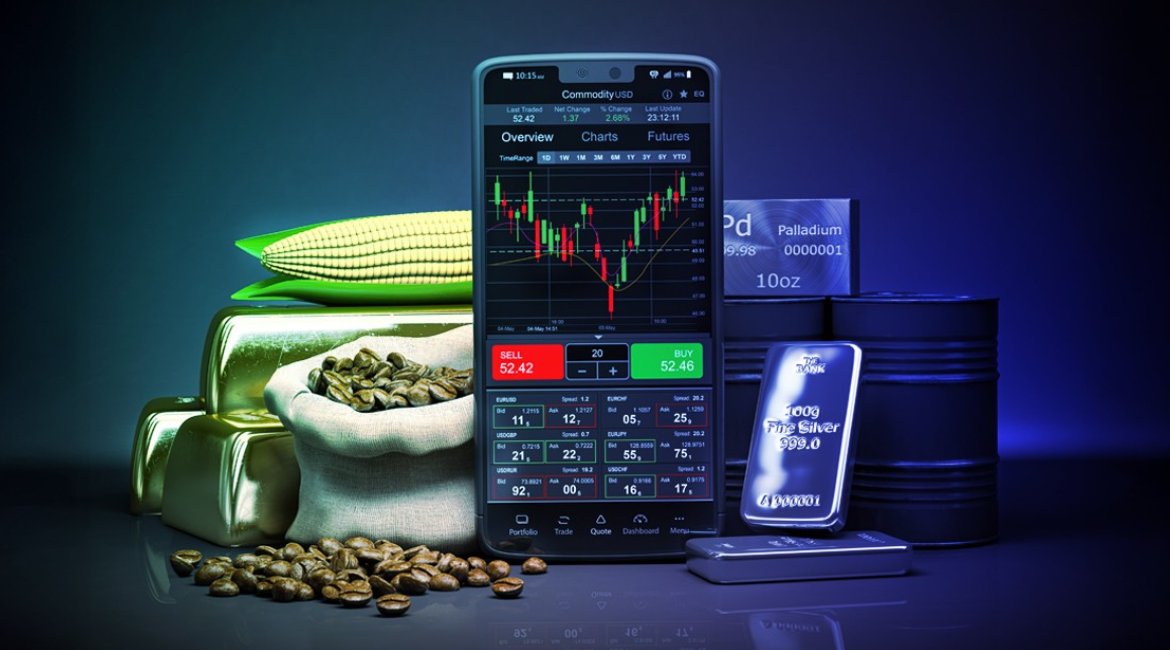
What Are Soft Commodities - A Guide to Trading and Investing
Soft commodities are deemed important in the international economy and finances. Unlike metals or other energy products are mainly agricultural commodities such as coffee, cotton, sugar, and cocoa are mainly cultivated but not mined. As the world experienced augmented demand, global trading activity and weather conditions determined/imposed supply limitations, soft commodities have presented unprecedented opportunities and risks to investors and traders.
Whether one opts to diversify his/her portfolio or trade active commodities, it is imperative to know about soft commodities. Here, we will explore what soft commodities are, how soft commodity trading works, and why investing in soft commodities can be a great eye-opener.
What Is a Soft Commodity?
Soft commodities refer to agricultural products grown and harvested for commercial consumption. Soft commodities can include the following:
- Coffee
- Cotton
- Sugar
- Cocoa
- Orange Juice
- Soybeans
- Corn
- Wheat
These soft commodities are critical inputs not only with respect to human consumption, but also for industrial production and manufacturing. Several different factors can influence the price of soft commodities, such as weather, development of geopolitical situations, where supply does not equal demand, currency booms and busts.
Key Characteristics of Soft Commodities
- Perishable Nature: Most soft commodities are perishable, thus impacting storage and prices.
- Seasonal Production: Crops vary depending on planting and harvesting seasons; hence, their supply is unstable.
- Global Demand: Growing Population and food habits facilitate demand for commodities such as grains, animal products, etc.
- Volatility: There are weather events, pests, or geopolitical factors that would lead to the sudden fluctuations of the price.
Knowledge about such features is essential to any investor who wants to be involved in soft goods, either as pure trade or as an investment mechanism such as ETFs.
Soft Commodities vs. Hard Commodities: A Crucial Distinction
Soft commodities and hard commodities are fundamentally different in how they come into being and renewability.
Soft Commodities:
- Origin: grown or raised (crops or animals).
- Renewability: Typically renewable, subject to planting cycle, breeding, and weather conditions.
- Factors: Very vulnerable to weather (droughts, floods, frost), disease, geopolitical disruptions of agricultural trade, government policies (subsidies, export bans), and seasonal demand.
- Storage: often perishable items require special storage, significant complexities are involved with storage, expiration rates are shorter, and storage can be complicated.
- Examples: wheat, coffee, sugar, cotton, cattle.
Hard Commodities:
- Origin: extracted or dug out of the ground (e.g., minerals, fossil fuels).
- Renewability: Non-renewable, exhausted resource that diminishes with time.
- Volatility Drivers: Affected by geopolitical tensions, growth of the world economy (industrial demand), technology, and mining production capacities.
- Storage: Tends to be easier to store over an extended time.
- Examples: Gold, Silver, Crude Oil, Natural Gas, and Copper.
The resulting market gives rise to the differences in character. The soft commodities have a higher volatility of price because they are sensitive to the natural factors, which are unpredictable; thus, they may be more rewarding and at the same time risky to the traders.
Why Trade or Invest in Soft Commodities?
Soft commodities have gained a lot of prominence in trading and investments because of some rather good reasons:
1. Diversification
Soft commodities even have the advantage of diversifying your investment portfolio since it does not settle on your classic and traditional portfolio, hence they accept other types of investments not related to stocks or bonds.
2. Inflation Hedge
The prices of commodities, particularly food and agriculture, tend to increase during inflationary years, and this has the effect of safeguarding buying power.
3. High Volatility = Opportunity
The disruptive effects that global supply chains can have on prices or disruption brought about by climatic events can bring significant trading opportunities.
4. Growing Demand
The demand for agricultural products on a long-run basis keeps on increasing as the populations and the consumption of the goods grow worldwide, particularly in the emerging markets.
How to Start Trading Soft Commodities
The buying and selling of soft commodities typically occur through futures contracts, options, or some other financial instrument in the commodity market. Here is a beginner's guide to getting started:
1. Understand the Market
Before you dive in, learn what makes up the commodity market and how it operates. A futures contract, for example, is an agreement to buy or sell something at a set price on a set date in the future. You can find full contract specifications for corn or coffee on exchanges such as the Chicago Mercantile Exchange (CME).
2. Choose a Trading Platform
Seek out a trading platform that provides access to commodity markets. Such a platform should allow for low fees, offer good tools, and provide educational materials to back your trading endeavors.
3. Develop a Strategy
To trade successfully, you must have a plan. Determine if you want to trade based on price movements in a short-term setup or take a longer-term position based on market trends. Use technical analysis (price chart) or fundamental analysis (supply and demand reports) to decide.
4. Manage Risks
Commodity trading entails volatility. Use stop-loss orders to limit the potential losses, and never invest more than you can afford to lose. Diversifying across many commodities is an added way to mitigate risk.
5. Stay Informed
Monitor political events around the globe, weather forecasts, and agricultural reports. A case in point: a bad harvest in Brazil would surge coffee prices and thus create more opportunities for trading.
Trading in soft commodities is a discipline and thoroughly knowledge-based endeavor, but given the correct approach, it can turn into an enriching venture.
Ways to Invest in Soft Commodities
There can be many avenues through which investors can go into soft commodities, depending on their risk appetite, aims, and market experience.
1. Soft Commodity Futures
Soft Commodity Futures are the most direct exposure available, meant for well-versed traders with a high-risk tolerance.
2. Soft Commodity ETFs
Exchange-traded funds present an open window for the retail investor to gain exposure to the market without buying or taking delivery of the commodity. Some well-known example funds include:
- Invesco DB Agriculture Fund (DBA)
- Teucrium Corn Fund (CORN)
Soft commodity ETFs track price changes for a basket of agricultural goods, offering capital liquidity, diversification, and easy access.
3. Stocks of Agricultural Companies
Publicly listed companies that produce, process, or distribute soft commodities.
4. Mutual Funds & Index Funds
Specific mutual funds and index funds will focus on commodities or agriculture.
5. Contracts for Difference (CFDs)
CFDs allow trading by speculating on price movements without owning the asset currently being targeted, allowing for short-term trading strategies.
Factors Influencing Soft Commodity Prices
The prices of soft commodities are influenced by the interrelationship of various factors that often result in significant volatility.
- Weather Conditions: This is arguably the most important factor. Droughts, floods, extreme temperatures, and out-of-season frosts all adversely affect crop yields and livestock health, resulting in a direct effect on supply.
- Disease and Pests: Crop disease outbreaks or animal epidemics can result in a complete halt to production and inevitably lead to significant price increases.
- Global Supply and Demand: As with any good, basic economic principles apply. If demand increases (whether by population growth, increasing income, or requirements for new industrial uses) and supply is limited, then prices will (invariably) increase and vice versa.
- Government Policies and Subsidies: Agricultural policy, export/import restrictions, or government subsidies in principle producing or consuming countries, and their economic impact, aid in understanding global supply and trade flows.
- Geopolitical Events: Conflicts, trade wars, and prolonged political instability in principal producing countries are unpredictable events that can disrupt supply and influence price formations.
- Currency Fluctuations: Most of the soft commodities are quoted using the U.S dollar, and so the value of this currency can make them attractive or unattractive to global traders. The appreciation of the dollar against other currencies may increase the price of dollar-denominated commodities, discouraging demand as others may not afford them.
- Energy Prices: Successive rises in the price of fuel used by farm machinery, transport, and fertilizers (high consumption of energy to manufacture) have direct implications on production expenses in soft commodities.
- Stockpiles and Inventories: This can absorb short-term shocks in the supply of the commodity due to the level of the existing reserves or inventory of that commodity. Low stocks are usually an indication of increased price sensitivity to new supply disruptions.
- Technological Advancements: New methods to farm, biotechnology, and storage may affect efficiency and yield, and this would influence the long-term trends in supply.
Risks Involved in Soft Commodity Trading
Soft commodity trading, as well as any other form of investing, however, involves risks:
• High Volatility: The prices have the propensity to move by huge margins due to the vagaries of nature or geopolitical developments.
• Leverage: The leverage effect of the trade in futures or CFD adds the risk of both profit and loss.
• Storage & Spoilage: The physical investing encompasses issues related to do with transport, storage, and spoilage of the products.
• Market Timing: The Timing of trading is a skill necessary in short-term trading and needs a good understanding of the market.
To eliminate these risks, there is a need to have a clear commodity market strategy and correct risk management.
Tips for Successful Soft Commodity Trading
Here are some actionable ideas you can use to grow your experience in investing or trading soft commodities:
- Start small: Start with a price at risk you are comfortable with or even small. Get a sense of the market in your trades without losing a lot of capital.
- Use demo accounts: Use the demo accounts as practice accounts with virtual money so you can build your confidence or test an idea.
- Stay disciplined: Follow your plan and avoid emotional decisions that are solely based on small market swings.
- Use available data: Use market reports, weather reports, and economic indicators available online to help you make trading decisions.
- Diversify: Never invest all your capital into a single commodity or ETF. Trade on price diversification.
Following the above guidelines can help you think through the complexity of the commodity market.
Soft Commodities and the Stock Market
Subtly, there is an indirect relationship between soft commodities and the stock market. When agricultural products increase in price, some corporate food & beverage input costs rise, thereby reducing profit margins and stock prices. As an example, a reduction in soft commodity prices would help producers and retailers but negatively affect farmers and agricultural exporters.
Investors generally look to commodity trading behavior, soft commodity indexes and other commodity price activity to inform their stock positioning with future trends in mind in sectors of retail, food & beverage production, and logistics, to name just a few examples.
Final Thoughts
Soft commodities are a rare portfolio diversifier and an entry position into the global agricultural market. This guide has discussed everything you need to know about trading in soft commodities, including what it is, trading techniques, and ETFs. Although the market may be erratic, its growth prospects and being an inflation hedge are reasons to be interested in it. Looking forward to jumping? Contact our specialists at CapitalXtend to find out how trading or investing in soft commodities is possible today. The world of this fascinating market is opening before you!
Frequently Asked Questions (FAQs)
1. What is a soft commodity?
Soft commodities are agricultural produce such as coffee, sugar, and cotton, which are produced and then exchanged in world markets.
2. How can I invest in soft commodities?
Options include making futures contracts or buying an exchange-traded fund, investing in the stocks of similar businesses, or utilizing a mutual fund that specializes in agriculture.
3. What’s the difference between soft and hard commodities?
Soft commodities are cultivated (such as coffee and wheat), and hard commodities are mined or removed (such as gold or oil).
4. Is soft commodity trading risky?
Yes. Soft commodity trading is risky, unless controlled with care, because of volatility in prices, the effect of weather, and leverage.
5. What affects soft commodity prices?
Esoteric factors include weather, international demand, currency exchange, geopolitics, and even supply chain logistics that play into the pricing.
6. Are soft commodity ETFs safe for beginners?
Yes, the newcomers will use ETFs because these are safer and easier, as they do not involve exposure to futures directly.



고객 자금 보호:



감사 기관:

보안 인증:

고지사항
Disclaimer : The information in this content is not intended to be provided to residents of the USA, Iran, Russia, Myanmar, Canada, Haiti, Suriname, North Korea, Puerto Rico and is not intended to be distributed or used by anyone in any country or jurisdiction area, as in the country or jurisdiction.
Risk Warning: Trading Forex and Financial Instruments involve a high level of risk and may not be suitable for all investors. The high degree of leverage can be either for or against you. Before deciding to invest, carefully consider your investment objectives and risk appetite. You should be aware of the risks associated with financial markets.
Intellectual Property Rights: Unauthorized duplication, publication, or quotation from CapitalXtend's website, in part or whole, without written consent, constitutes a violation of Intellectual Property Rights. Such actions, including downloading or accessing brand elements, will be litigated as infringement.
CapitalXtend는 차세대 핀테크 혁신을 선도하는 글로벌 기업 XGroup의 주요 계열사입니다.
© 2021 - 2026 CapitalXtend.com - 모든 권리 보유.